

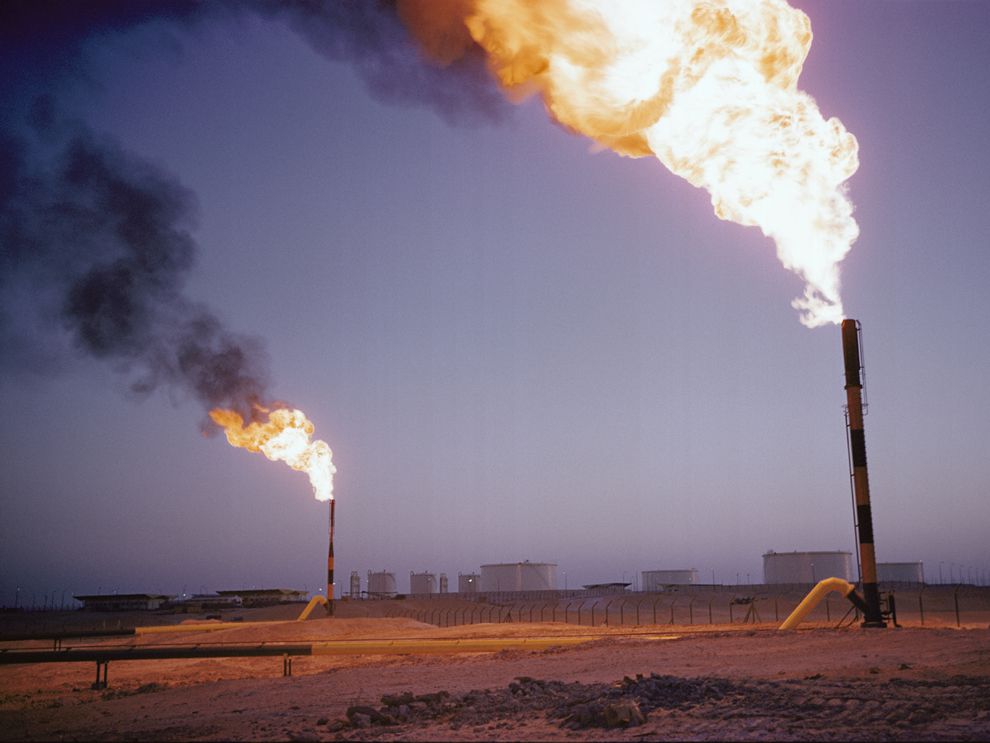
The effects also vary depending on the type of non-renewable resource used, for example whether it is fossil fuels such as oil, natural gas, coal or nuclear energy. broadly speaking, however, there are five ways in which non-renewable energy sources impact our environment. environmental impacts of non-renewable energy sources greenhouse gas. Understanding the potential environmental impacts of renewable energy technologies is also essential for identifying and pursuing designs, manufacturing methods, project siting, utitlity operations, and so on to mitigate or offset these effects. environmental impacts of energy sources are commonly assessed on two scales or levels of aggregation.. Negative effects of renewable energy resources on environment are lesser than the conventional energy resources. costs of renewable energy resources are lesser than the fossil origin fuels. they never consume as they are renewable and in contrary to the conventional fuels, they do not exhibit a significant threat for environment and human health..
There are many good reasons for using renewable energy sources. they are cleaner and less polluting than traditional forms of energy, such as coal and gas. and “renewable” means they are replenished resources, so you theoretically have an infinite supply. however, these resources can be mismanaged, too, resulting in damage to the environment.. Renewable energy and the environmental impact of hvac. posted on: february 28, 2019 | by: will housh. heating and cooling energy consumption accounts for approximately 50 percent of energy consumption in the average home. with such a substantial energy spend, it’s no wonder that hvac has a significant environmental impact.. Renewable energy comes from sources that are naturally replenished, such as sunlight, wind, rain, tides and waves, biomass and geothermal heat. using these clean, renewable energy sources, we can generate electricity and heat, produce fuel for transport, and power industrial processes..


0 comments:
Post a Comment